Close to the farms, from cherry to container
We cultivate specialty coffee on our own estate - Stride Njuki-ini Farms in Kirinyaga - and source green beans from vetted farms across the Kenyan highlands. By working at source and exporting directly to roasters and distributors, we guarantee full lot traceability from the slopes where the coffee is grown to the container that leaves Kenya.
Who we are
Stride was founded by Moses Gitari, a farmer native to the Kirinyaga, to bridge the gap between Kenyan coffee growers and international specialty buyers. Operating between Nairobi and our estate at Stride Njuki-ini Farm in Kirinyaga, we work right alongside the farms and wet mills where our coffee is harvested and processed.
When sourcing beyond our own estate, we partner directly with highland farms and cooperatives. We select partners based on altitude, selective cherry picking, and disciplined raised-bed drying practices. From harvest intake through milling, grading, and bagging, every lot it tagged, cupped, and stored separately so its origin identity remains intact from farm to bag.
Stride Njuki-ini Farms
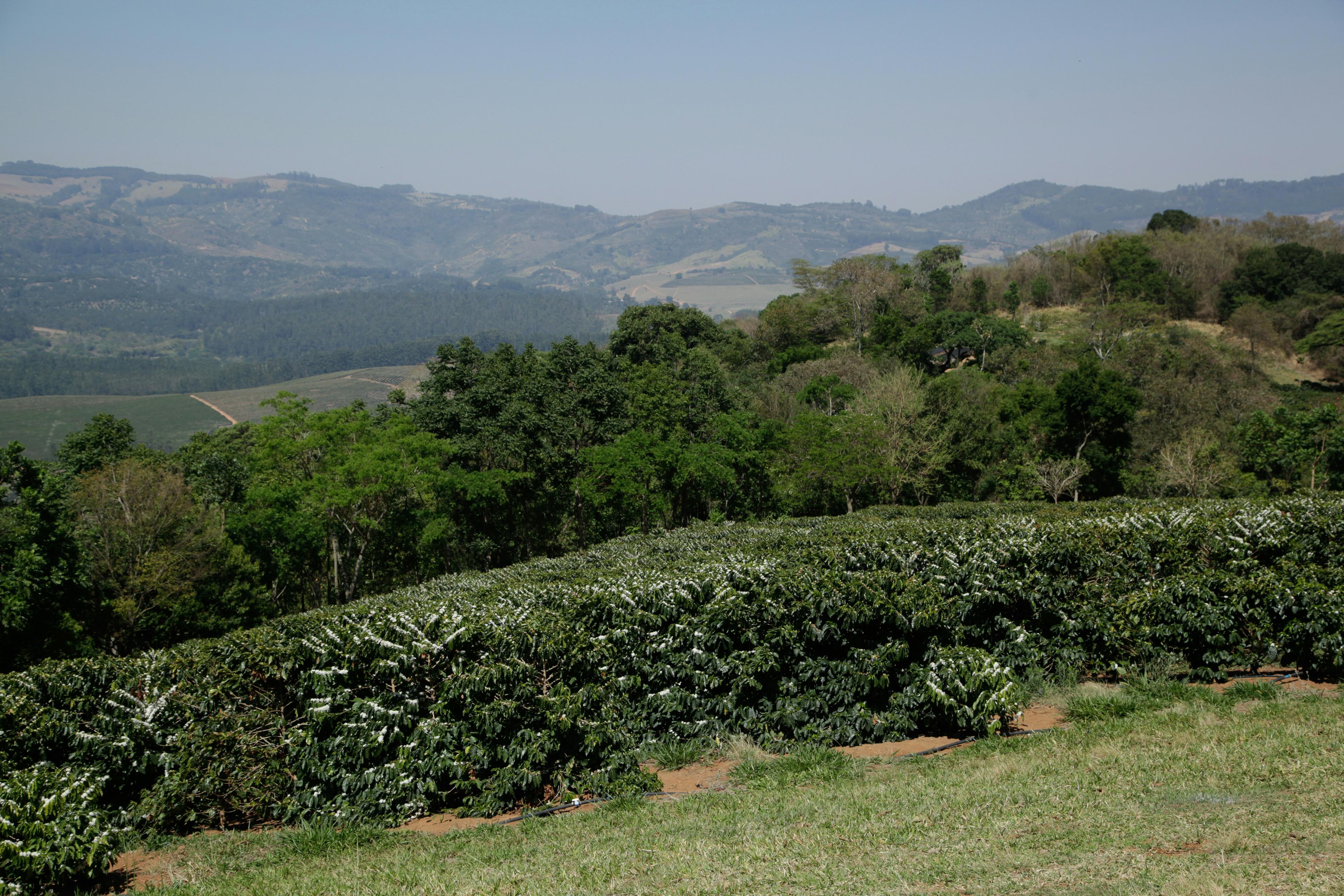
Located in the Njuki-ini area of Gichugu, Kirinyaga- bordering the Njuki-ini Forest on the southern slopes of Mount Kenya - our estate brings together neighbouring farms managed together under one unified operation. Each coffee variety is planted in its own dedicated block ensuring complete traceability from a single known parcel to every exported lot.
Njuki-ini, Gichugu, Kirinyaga County, Southern slopes of Mount Kenya. 1,500–1,900 m.
Sitting right on the edge of the Njuki-ini forest gives our farms and ideal highland microclimate. Cool forest breezes, reliable bimodal rainfall, and warm equatorial days slow down cherry maturation - allowing sugars and complex organic acids to concentrate inside every bean. Beneath the trees, deep, mineral-rich volcanic red soils provide natural drainage and steady nourishment throughout the growing cycle.
Our estate is also fed by a natural spring right on the farm giving us direct access to clean fresh mountain water for wet processing and fermentation. Combined with dedicated farm teams who tend and harvest each varietal section separately- followed by careful sun-drying on raised beds - these natural conditions produce the crisp acidity, floral aromatics, and clean sweetness that define top tier Kenyan specialty coffee.
What grows in each section
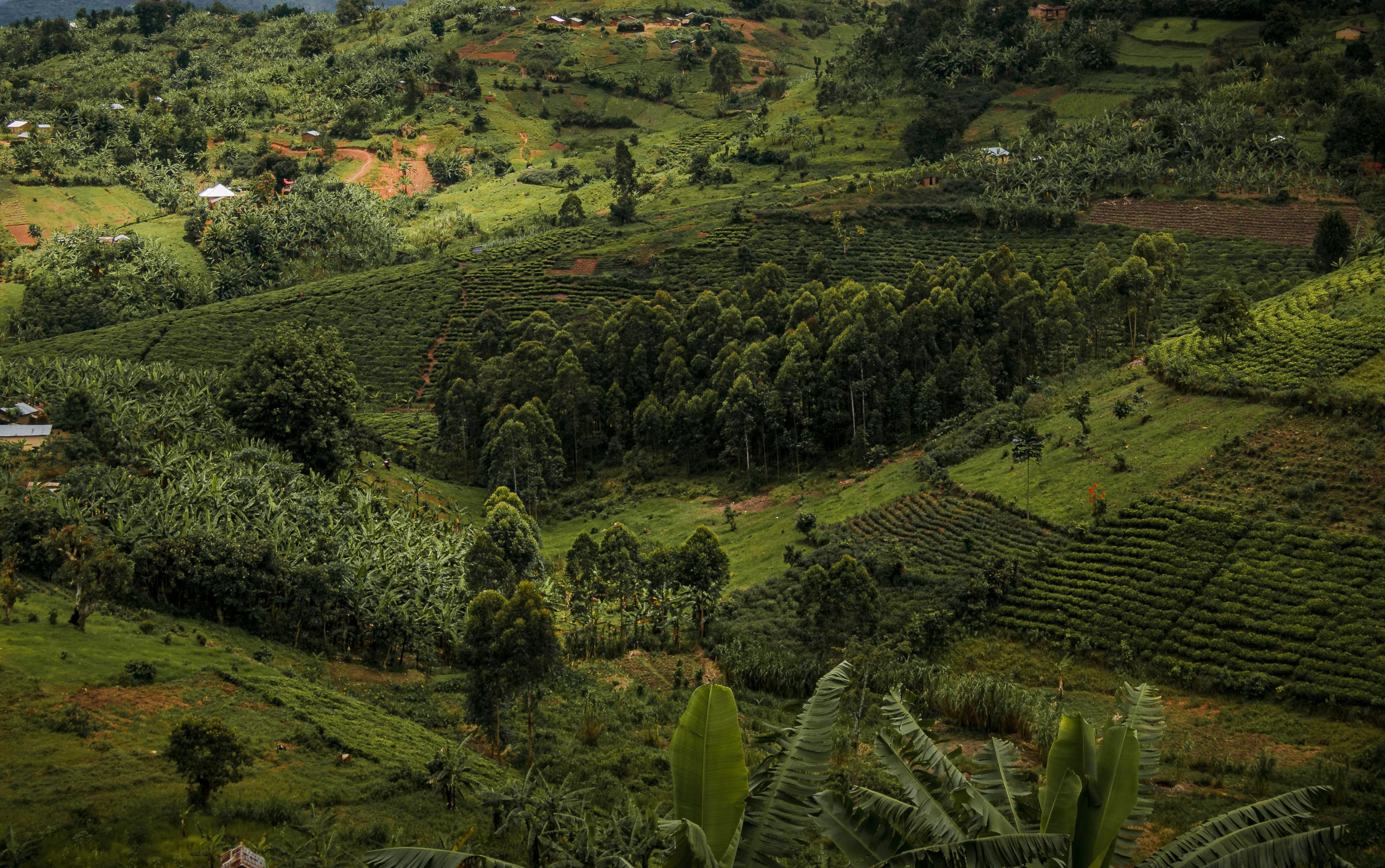
- Highland Ridge Block - SL28Occupying the highest elevation on the farm, where cooler temperatures slow cherry development and concentrate natural sugars. Grown for classic Kenyan cup intensity - expect vibrant blackcurrant acidity, floral aromatics, and a syrupy complex finish. SL281,700–1,900 m
- Central Slope Block - BatianPlanted across our mid-to-upper slopes, combining high-elevation cup clarity with tall-tree vigor and natural disease resilience. Produces a balanced, expressive cup with bright citrus notes, stone-fruit sweetness, and a clean lingering finish. Batian1,600–1,850 m
- Foothill Block - Ruiru 11Compact, high-density plantings on the lower slopes next to the natural spring designed for reliable yields, uniform cherry ripening, and natural resistance to CBD and leaf rust. Delivers a structured, sweet cup with rich body, cocoa undertones, and bright berry acidity - ideal for both single-origin lots and structured espresso blends. Ruiru 111,500–1,750 m
Green beans from across the Kenyan highlands
In addition to our own green beans, we also source graded beans from farms and cooperatives across the Kenyan highlands for customers requiring large shipments of Kenyan Arabica green beans. We test this coffee ourselves as it is sourced to ensure uniformity and excellence of its quality.
We buy from Kirinyaga, Murangá, Nyeri, Embu.
We select partner estates and cooperatives based on elevation, varietal integrity, and disciplined washed, raised-bed processing. Before any lot is approved for export, our team conducts physical green grading - checking moisture levels, screen size, and defect counts - followed by sample roasting and cupping to ensure it meets Stride's cup standards.
How it's processed
Only ripe red cherry is picked, by hand, over several passes through the same trees.
What you can expect from us
Every lot traced
Each product names its region, altitude and producer, and we keep varieties separate from picking to bagging.
Samples before you commit
Ask for a sample with any enquiry. Specification sheets with cupping scores follow each season's assessment.
Claims we can prove
We only call a coffee organic or fair trade when we hold the certificate, and we show it on the product page.
Prices agreed directly
Prices depend on grade, volume and season, so we agree them with you after your enquiry rather than listing them.
Tell us what you need
Send the product, grade and volume. We reply within one working day with availability, samples and a price.